Mon–Fri: 7:30 AM – 5:00 PM · 24/7 emergency service License #2705 143022A (703) 436-8028
Commonwealth Cooling & Heating
24/7 on call(703) 436-8028
Schedule Service
Menu
Home About Blog FAQ
Services
Air Conditioning Heating & Furnaces Indoor Air Quality All services
Service Areas
Lorton, VA Alexandria, VA Springfield, VA All service areas
Call (703) 436-8028 Schedule a Call
Our service offerings

Dependable heating & cooling,plus air quality expertise.

We keep Northern Virginia homes comfortable in every season with professional HVAC installations, repairs, and maintenance plans. NATE-certified technicians service all equipment makes and models.

Schedule Service (703) 436-8028
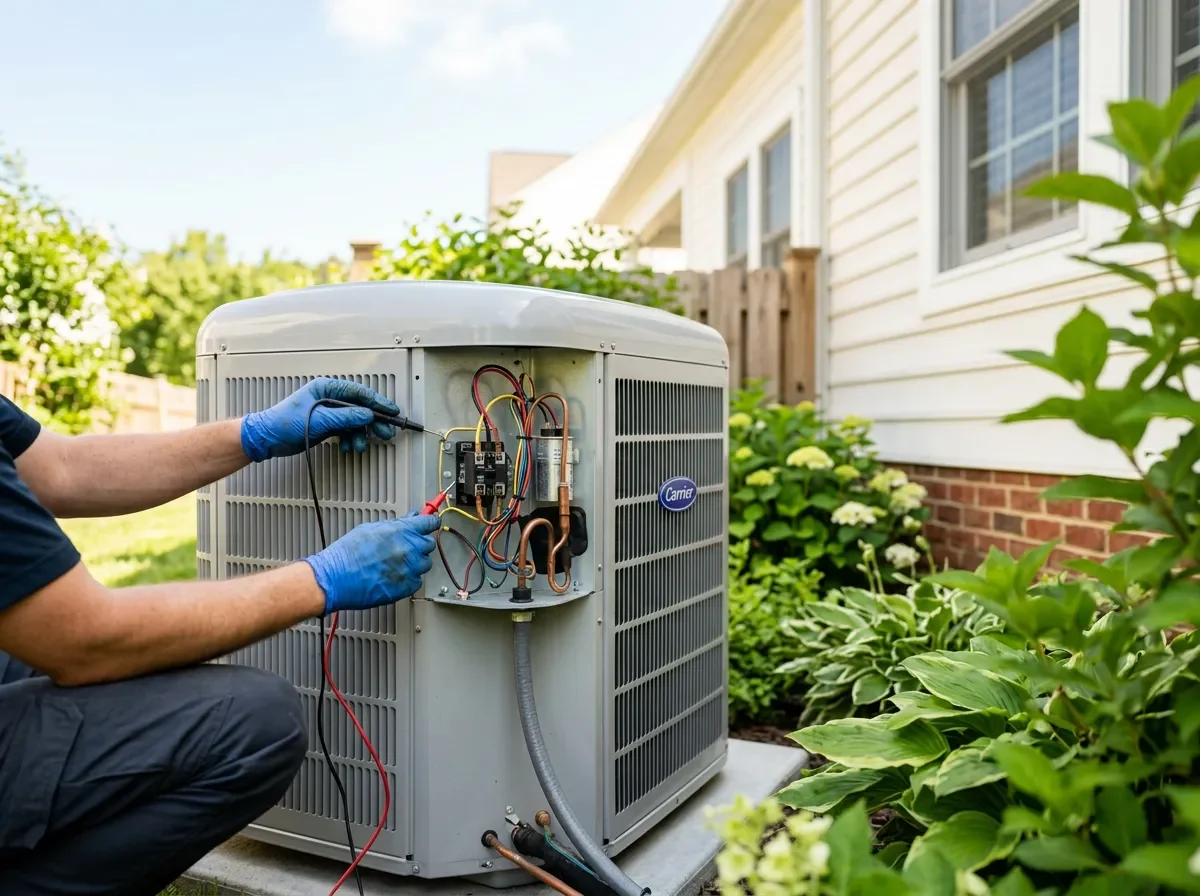
Technician servicing an air conditioning system in bright daylightSeasonal tune-up, Fairfax County
Full-service HVAC contractors

Everything your home’s comfort depends on

Commonwealth Cooling & Heating offers a complete range of residential and light commercial HVAC services in Lorton, Alexandria, and Springfield, VA.

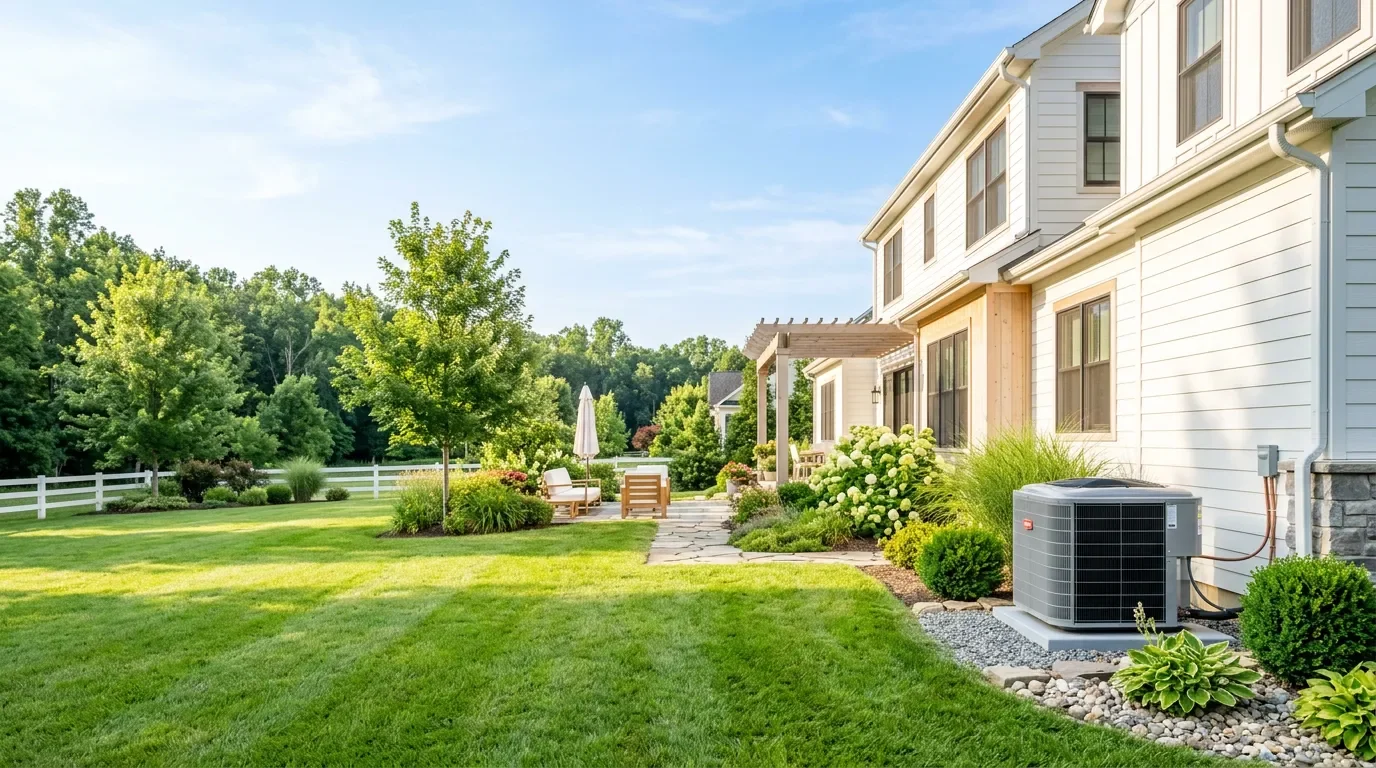
Air conditioning unit beside a bright home
Cooling systems

Air conditioning repair & installation

Fast, accurate diagnosis and repair for all central AC and heat pump brands to restore cooling immediately — plus high-efficiency Bryant cooling systems tailored to your home’s layout for maximum comfort and savings.

Air conditioning services
Warm bright living room on a winter morning
Heating systems

Furnace repair & heating installation

Expert service for gas and electric furnaces to ensure safe, reliable heating throughout the winter — and modern, high-efficiency heating systems professionally sized and installed for decades of dependable warmth.

Heating services
Sunlit living space with fresh clean air
Additional expertise

Indoor air quality & duct cleaning

Eliminate dust, allergens, and microbial growth from your ventilation for healthier, breathable air. Using the wrong filter can damage your blower motor — our Wrong Filter Exchange gets the sizing right.

Air quality services
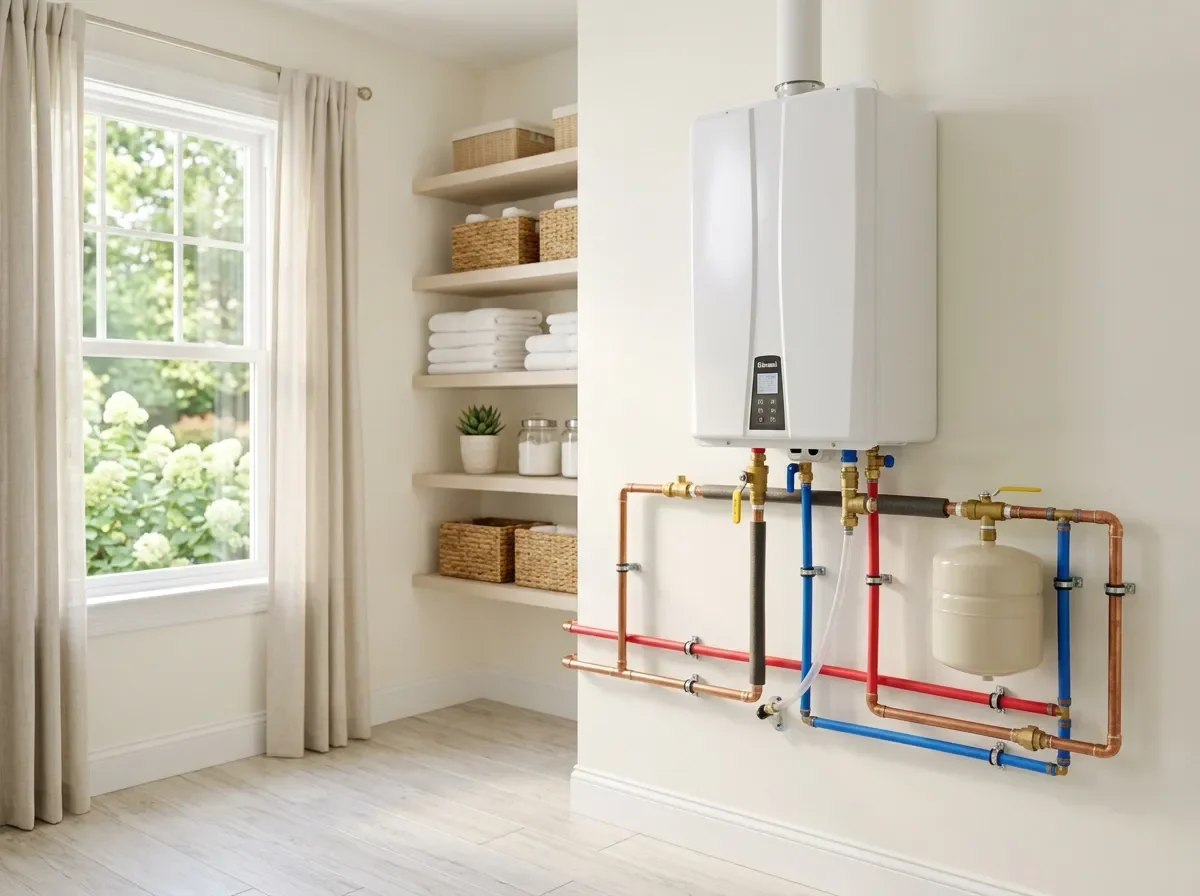
Modern tankless water heater on a clean utility wall
Additional expertise

Hot water heaters

Energy-efficient tank and tankless water heating systems — expert sizing, clean installation, and dependable ongoing service so the hot water never runs out mid-shower.

Request a quote
Start here

Helping you choose the right door

Most homeowners arrive at a services page with a symptom, not a category. The system is blowing warm air. The upstairs is uncomfortable. The furnace starts and stops. The filter slot is whistling. The water heater is aging. The job of a full-service HVAC contractor is to sort those symptoms into the right next step without making the homeowner diagnose the system first.

Commonwealth Cooling & Heating handles air conditioning services, heating and furnace services, indoor air quality, hot water heaters, AC repairs, AC installation, AC maintenance, furnace repair, heating installation, Energy Saver Maintenance, duct cleaning, and wrong filter exchange. Those categories overlap in real houses. A no-cooling call may be a failed capacitor, a dirty condenser coil, a frozen evaporator from low airflow, a thermostat issue, or a refrigerant leak. A comfort complaint may turn into duct balancing instead of equipment replacement. Indoor air quality may start with a filter that is too restrictive for the blower.

That is why the first step is diagnosis. We look at the equipment, the duct system, the controls, and the building load before recommending the service. A clear problem gets a clear repair. A system near the end of its expected service life gets a repair-versus-replace comparison. A house with airflow or humidity trouble gets a design conversation, because the best equipment still needs a path to move air correctly.

Symptom to service

Common symptoms and the service they usually need

This table is not a diagnosis, but it can help you describe the problem when you call.

What You Notice Likely Starting Point Why a Technician Checks It
AC runs but air feels warm Cooling diagnostic The cause may be airflow, refrigerant charge, compressor operation, thermostat setup, or electrical failure.
Furnace clicks but does not stay lit Heating repair Ignition controls, flame sensing, gas valve operation, venting, and safety switches need testing.
Upstairs stays hot in summer Airflow, zoning, or system sizing review Split levels and two-story homes often need balancing, return-air improvement, or zoning before equipment changes help.
Filter bends, whistles, or gets dirty fast Wrong Filter Exchange or IAQ review The filter may be too restrictive, poorly fitted, or undersized for the return path.
Water appears around the indoor unit AC repair or maintenance Condensate pans, traps, float switches, and drain lines need inspection before water damages ceilings or flooring.
Energy bills rise without a weather change Maintenance or efficiency assessment Dirty coils, high static pressure, failing motors, short cycling, duct leakage, or thermostat settings may be driving runtime.
System is 12 to 15 years old and needs major repair Repair-versus-replace estimate Air conditioners and heat pumps often reach replacement age in this range, depending on maintenance and repair history.
Gas furnace is 15 to 20 years old Heating safety and replacement planning Heat exchanger condition, AFUE, venting, parts availability, and safety controls should be reviewed.
Hot water counts

Water heater service belongs on the comfort list

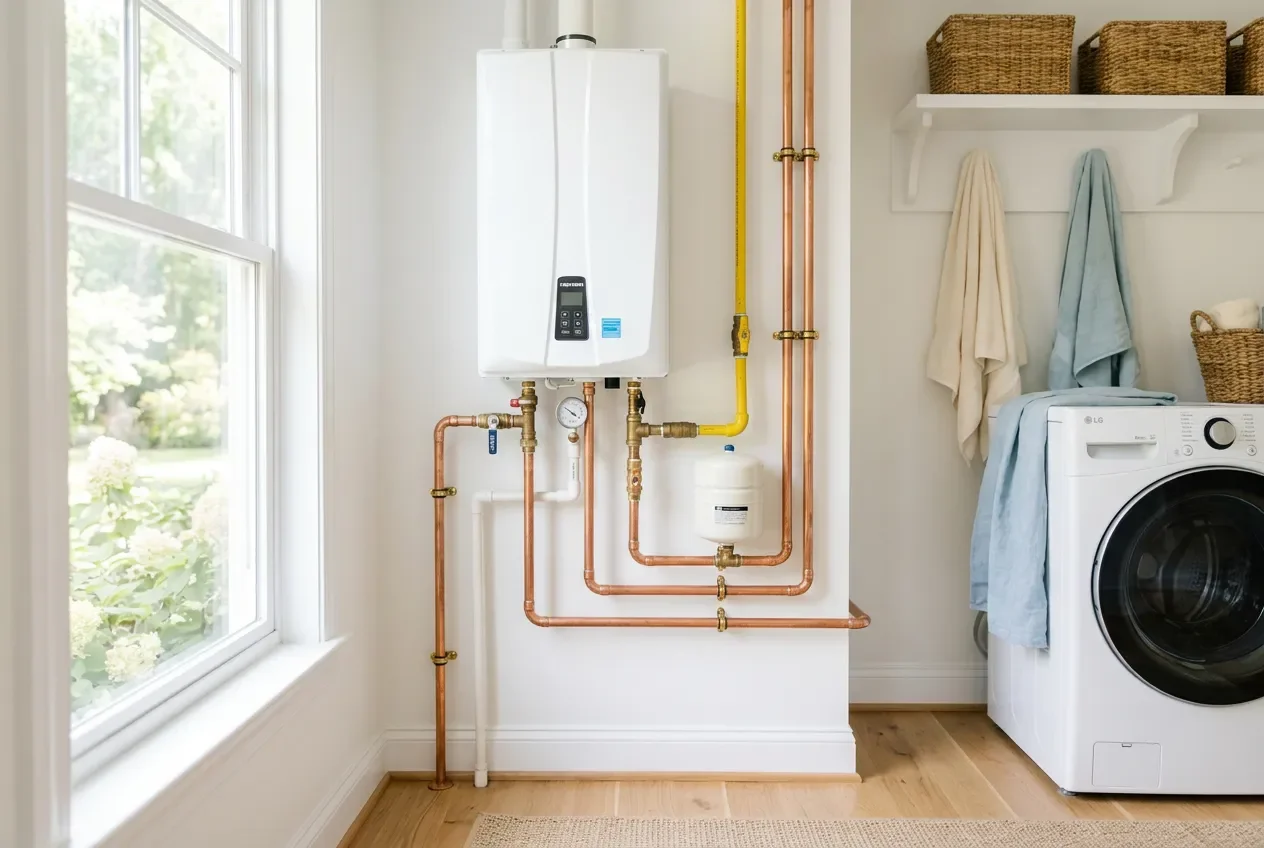
Hot water heaters sit beside HVAC equipment in many utility rooms, and they deserve the same practical planning. The services inventory includes hot water heaters, with tank and tankless options. The right recommendation depends on household demand, venting, fuel source, space, water quality, and how the home is used. A family that often runs showers, laundry, and dishwashing close together has a different demand pattern than a smaller household with predictable use.

For replacement planning, access and code matter. A water heater may share a mechanical room with a furnace or air handler, so clearances, combustion air, venting, condensate where applicable, drain pan requirements, and service access should be considered together. If the HVAC system is also aging, it can be worth looking at the mechanical room as a whole instead of treating each appliance as an isolated box.

Tankless water heater with neat copper piping in a bright utility room
Engineering authority

We don’t just fix units — we optimize environments

Our approach is based on precise thermal calculations and technical excellence. We follow strict engineering standards for all of our services, from routine tune-ups to complex system installations.

  • Measured, not guessed. Static pressure, temperature split, and electrical draw recorded on every substantive visit.
  • Manufacturer spec, always. Bryant Factory Authorized procedures protect both performance and warranty.
  • Prevent failures before they happen. Preventative maintenance is the best way to avoid unexpected system failures during extreme summer heat or winter cold.

Energy Saver Agreement

Our annual maintenance agreement includes two visits per year: a spring cooling tune-up and a fall heating inspection. Each visit follows a detailed checklist designed to catch developing problems early and keep your system running at peak efficiency — plus priority scheduling and a 15% discount on repairs.

Ask about maintenance plans
Membership, explained

What the Energy Saver Agreement covers across services

The Energy Saver Agreement connects the service categories on this page. It includes two visits per year: a spring cooling tune-up and a fall heating inspection. Agreement members receive priority scheduling and a 15% repair discount. The larger value is that the system is measured before the hardest weather arrives.

Spring cooling visit

In spring, the focus is heat transfer and moisture management. The technician checks coil condition, refrigerant behavior, blower performance, electrical components, thermostat operation, air filter condition, and condensate drainage. This is when weak capacitors, dirty condenser coils, clogged drain lines, and airflow restrictions are best found. In humid summers, condensate management deserves special attention because a small drain problem can become a ceiling stain or a shut-down float switch.

Fall heating visit

In fall, the focus shifts to safe heat. Gas furnaces need ignition, burner, flame-sensing, venting, and heat exchanger checks. Heat pumps need defrost controls, reversing valve operation, auxiliary heat, and outdoor coil condition reviewed before freezing weather. Boiler and hot water systems have their own service needs, including circulation and safety controls. A regular record of these visits also helps with warranty documentation when manufacturers ask for proof of professional maintenance.

Three doors

Repair, replacement, or maintenance

Repair Is Usually the Right Direction Replacement Deserves a Serious Look
The equipment is within its expected service life and the failure is isolated, such as a capacitor, contactor, ignitor, sensor, drain issue, or thermostat problem. The equipment is older, has repeated failures, or needs a major component such as a compressor, heat exchanger, or blower assembly.
Static pressure, duct condition, and airflow are acceptable, so the existing system can still operate within its intended range. The current equipment was poorly sized, short cycles, cannot manage humidity, or struggles at Fairfax County summer and winter design conditions.
The repair restores safe operation and does not mask a larger pattern of breakdowns. The repair cost is high enough that financing, efficiency gains, warranty coverage, and comfort improvements should be compared in writing.
Manufacturer warranty coverage still applies and the part can be replaced cleanly. Warranty coverage has expired, parts are becoming harder to justify, or the system uses an older refrigerant strategy that makes leak repairs less attractive.
The homeowner plans to stay in the home only briefly and the system can be kept safe and reliable. The homeowner wants lower operating cost, better humidity control, quieter operation, stronger warranty coverage, or heat pump tax-credit eligibility.
Honest guidance

When to repair vs. when to replace

Most air conditioners and heat pumps last 12 to 15 years. Gas furnaces last 15 to 20 years with proper maintenance. When a repair estimate approaches a meaningful share of replacement cost on aging equipment, we prepare a written comparison showing repair cost versus monthly financing for a new system — many homeowners find that energy savings from a new high-efficiency system offset a large portion of the financing payment.

Financing available: for system replacements, we work with lending partners offering fixed-rate financing from 12 to 72 months. The application takes about ten minutes with a soft credit check that does not affect your score.

Money, plainly

Financing and incentives without guesswork

A replacement proposal should explain the comfort and financial sides together. For system replacements, Commonwealth works with lending partners offering fixed-rate financing from 12 to 72 months. The application takes about ten minutes with a soft credit check that does not affect your score. Some plans offer reduced rates for a limited period. The point is not to hide the project cost behind a monthly number; it is to give the homeowner a clean comparison.

Incentives can also affect the decision. Federal tax credits under the Inflation Reduction Act can save up to $2,000 on qualifying heat pump installations. Dominion Energy has offered rebates for heat pumps that meet qualifying SEER2 ratings, and Washington Gas has offered rebates for ENERGY STAR-rated gas furnaces. Those programs can change, so the proposal should identify what appears applicable at the time and what documentation the homeowner will need. We provide the equipment information and manufacturer documentation required for qualifying installations.

Efficiency savings should be treated carefully. A newer high-efficiency Bryant system can use less energy than aging equipment, especially when the old system is dirty, oversized, short cycling, or operating with high static pressure. But the exact bill impact depends on weather, usage, insulation, duct leakage, utility rates, and thermostat settings. We explain the factors instead of pretending one number fits every home.

Installation standards

Design standards behind installation work

Installation quality is decided by measurements and setup details that many homeowners never see.

  • Manual J load calculation: The heating and cooling load is calculated from the house, not guessed from square footage.
  • Manual S equipment selection: The selected equipment has to match the load and the local design conditions, not only the brand preference.
  • Manual D duct thinking: Duct capacity, return size, static pressure, and register layout decide whether rooms receive the air they need.
  • Matched equipment data: Indoor and outdoor sections should be AHRI-rated together when efficiency claims are made.
  • Code-compliant permitting: Virginia USBC permit requirements apply to equipment replacement, and Commonwealth can pull mechanical and electrical permits under its Class A license.
  • Refrigerant commissioning: Charge is documented according to the equipment method, especially for R-454B systems that are engineered as matched sets.
  • Condensate protection: Drain slope, trap, pan condition, and float switch operation matter in humid Northern Virginia summers.
  • Warranty registration: New Bryant systems must be registered within ninety days for the ten-year parts warranty, and Commonwealth handles that registration at installation.
Quick answers

Service hub FAQ

No. Describe the symptom and let the dispatcher and technician guide the category. "AC repair" might become a thermostat issue, a drain problem, or an airflow correction. "Indoor air quality" might start with a wrong filter exchange. The service label matters less than the measurements.

Yes. The service-area content identifies light commercial HVAC service for retail spaces, offices, and residential complexes throughout the service area. The same diagnostic discipline applies: equipment condition, controls, airflow, ventilation, and safe operation come first.

Ductwork decides how much air reaches each room and how hard the blower works to move it. A new system connected to undersized returns, crushed flex duct, leaking trunk lines, or high static pressure will not deliver its rated comfort. Duct review protects the investment.

Not sure which service you need?

Describe the symptoms — warm air, strange noises, rising bills — and a NATE-certified technician will point you in the right direction.

Schedule Service (703) 436-8028