
Heating & air conditioningservices in Lorton.
Serving homeowners in Lorton, Virginia for over twenty years with certified HVAC repairs and installations. Our NATE-certified technicians reside near Lorton and respond quickly to heating and cooling needs in zip code 22079.
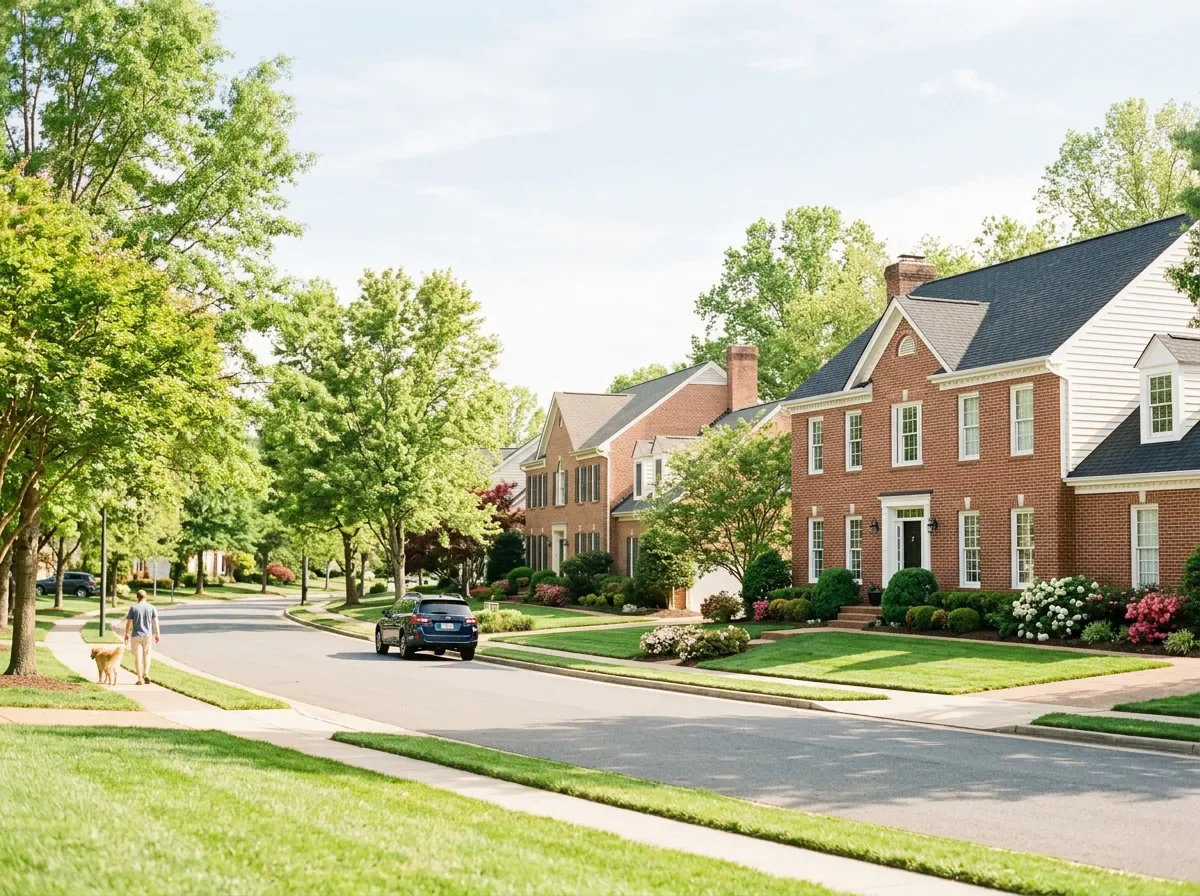 Lorton Station, zip 22079
Dependable HVAC service, minutes away
We service all major brands of central air conditioners, gas furnaces, heat pumps, and indoor air quality equipment across Lorton.
- AC repair & maintenance. Troubleshooting, refrigerant recharges, and precision coil cleaning to ensure peak efficiency during humid Virginia summers.
- Heating installation. High-efficiency Bryant gas furnaces and heat pumps to keep your home warm all winter.
- Duct cleaning & air quality. Cleaner ducts, correct filters, healthier air for Lorton households.
“We have used Commonwealth Cooling & Heating for our regular maintenance for years, and they recently replaced our home heat pump. The installation team arrived exactly on time, protected our carpets, and left the work area clean. Our new Bryant system runs quietly and has already reduced our monthly energy bills.”
Lorton HVAC work starts close to home
Lorton is Commonwealth Cooling & Heating's home base. The company address is 8190 Terminal Rd, Lorton, VA 22079, and the local work ranges from townhomes and newer developments to older single-family houses, homes near Laurel Hill, properties around Lorton Station, and neighborhoods closer to Mason Neck and Gunston. That variety matters because HVAC problems often come from the way the house and equipment interact.
22079 is not one housing pattern
Some Lorton homes have compact mechanical closets with tight service access. Others have basement systems with long duct runs. Some newer townhomes rely heavily on heat pumps and zoning strategy. Older homes may have ductwork designed for lower airflow than modern high-efficiency equipment expects. A replacement that fits physically may still perform poorly if return air is undersized or static pressure is too high.
Because we work from Lorton, we see the local patterns repeatedly. Humid summer calls often involve condensate drains, dirty coils, and systems that cool the thermostat but do not dry the house. Winter calls may involve heat pump defrost, auxiliary heat, or older gas furnaces that need ignition and heat exchanger inspection. The work still starts with measurements, but local context makes the diagnostic path sharper.
The Lorton service call checklist
Lorton homeowners can help the visit go smoothly with a few simple steps.
- Share the zip code and neighborhood: Mention 22079 and any nearby landmark or community name, such as Lorton Station, Laurel Hill, Mason Neck, Gunston, or the Workhouse Arts Center area.
- Describe outdoor unit position: Tell us if the condenser or heat pump appears tilted, noisy, blocked by landscaping, or sitting in water after rain.
- Check for water indoors: Look around the indoor unit for condensate overflow, rust, wet flooring, or a tripped float switch.
- Note heat pump behavior: In winter, mention heavy ice, frequent defrost, cool supply air, or auxiliary heat running often.
- Clear tight access: Townhome mechanical closets can be narrow, so move stored items away from the equipment before the visit if safe.
- Keep pets secure: This gives the technician safe access to indoor and outdoor equipment.
- Find filter size: If the filter is hard to access or bends when installed, mention it. Wrong filter fit can create airflow problems.
- Call for urgent failures: For no cooling, no heat, electrical smell, or water overflow during off hours, call (703) 436-8028.
Answers for Lorton neighbors
We offer local prioritization for our Lorton neighbors. In many cases, we can provide same-day service for cooling or heating emergencies to ensure your home remains comfortable and safe.
Yes, we have extensive experience with the unique challenges of older homes in the region — from undersized ductwork to homes never designed for central air.
Absolutely. Our Energy Saver Agreement includes a spring cooling tune-up and a fall heating inspection, priority scheduling, and a 15% discount on repairs.
More Lorton questions
Marine clay soils can move as moisture changes, and that movement can affect outdoor pads over time. A tilted pad should be checked because the unit needs stable support, proper drainage, and clean airflow. Pad condition is especially important before installing replacement equipment.
They can be. A heat pump fits many Lorton homes because it provides cooling and heating from one outdoor unit. The important questions are load calculation, duct capacity, electrical capacity, defrost setup, auxiliary heat, and winter balance point. Some homes may benefit from dual fuel.
Lorton's humid summers make condensate drains, coils, filters, and blower cleanliness important. Winter heat pump operation adds defrost and auxiliary heat checks. The Energy Saver Agreement covers a spring cooling tune-up and fall heating inspection, with priority scheduling and a 15% repair discount.
Yes. Commonwealth holds a Virginia Class A contractor license with HVAC and electrical designations. The company can pull mechanical and electrical permits for residential work and handles filings directly rather than using third-party permit services.
Filters and pollen in Lorton
Homes near wooded areas, open spaces, and water-influenced parts of Lorton can see heavy seasonal pollen and organic debris around outdoor equipment. Filters help indoors, but the filter has to fit the system. A dense filter in a tight return can raise static pressure, while a loose filter can let dust bypass into the blower and coil.
Maintenance should include both sides of the air path. Outside, the condenser or heat pump needs clearance from leaves, mulch, and plant growth. Inside, the return grille, filter rack, blower, and coil need to stay clean enough for airflow. A homeowner may notice the effect as weak airflow, dust around registers, longer runtime, or allergy symptoms indoors. The fix might be a better-fitting filter, a media cabinet, duct cleaning where justified, or simple maintenance on the existing system.
Built for Lorton’s soil, streets, and housing stock
Homeowners in Lorton (zip 22079, Mason Neck, Gunston) face specific soil conditions that can affect outdoor heating and cooling equipment: the area contains high concentrations of marine clay soils, which shift with moisture and can tilt an outdoor pad out of level over time. We check pad stability on every service visit — a tilted condenser strains the compressor long before it fails.
Lorton’s housing ranges from 1960s ramblers in Newington Forest to new townhomes in Lorton Station. Older ramblers often have original ductwork designed for lower-capacity systems, which is exactly why we measure static pressure before recommending any replacement equipment.
Marine clay and outdoor equipment
Parts of Lorton and nearby communities sit on marine clay soils. These soils can shrink and swell as moisture changes. For HVAC equipment, the concern is not the soil itself but what movement does to the outdoor condenser or heat pump pad. A pad that settles or tilts can leave the unit out of level, stress refrigerant lines, affect drainage around the equipment, and increase vibration.
Why pad level matters
Outdoor units are built to sit level with proper airflow around the coil. When the cabinet twists or leans, the compressor and fan assembly may operate under unnecessary stress. Water may collect in the wrong place. Refrigerant line supports may shift. The problem is gradual, so homeowners often notice it only after a noise develops or a technician points out that the pad is no longer flat.
During service, we look at the pad, line-set support, clearance around the unit, and signs of soil movement or washout. If the equipment is being replaced, pad condition becomes part of the planning. A high-efficiency Bryant unit should not be installed on a failing base. The new system needs clean airflow, service clearance, drainage, and stable support for years of operation.
Lorton neighborhood conditions
These local patterns help shape service recommendations in Lorton.
| Lorton Area | Housing or Site Pattern | HVAC Consideration |
|---|---|---|
| Lorton Station | Townhomes and newer residential layouts | Mechanical closets, heat pump airflow, thermostat setup, and multi-level comfort balance. |
| Laurel Hill | Mixed residential development near established community amenities | Replacement planning, duct static pressure, and efficiency comparisons. |
| Mason Neck | Homes closer to wooded and water-influenced areas | Humidity control, outdoor unit clearance, pollen, filtration, and maintenance. |
| Gunston | Residential pockets with varied equipment ages | Heat pump service, AC repair, and repair-versus-replace guidance. |
| Near the Workhouse Arts Center | Older and newer properties in the broader Lorton area | Equipment access, duct routing, and careful installation planning. |
| 22079 generally | Varied homes, townhomes, and single-family systems | Maintenance history, pad stability, condensate drainage, and static pressure checks. |
Heat pumps are common, but setup still matters
Many Lorton homeowners rely on heat pumps because one outdoor unit can provide both cooling and heating. That makes maintenance especially important. A heat pump works through summer and winter, so it does not get a long off-season. The same outdoor coil that rejects heat in July has to absorb heat in January. The same refrigerant circuit has to reverse direction. The same blower has to move enough air for cooling, heating, defrost, and auxiliary heat.
The balance point is not a guess
In Fairfax County, winter design temperatures around 17 to 22 degrees mean a heat pump has to be selected and controlled carefully. Standard heat pumps may need auxiliary heat sooner than cold-climate models. Dual-fuel systems may switch to gas heat when outdoor temperatures fall below the programmed balance point. That balance point should account for the home's heat loss, equipment capacity, electric rates, gas availability, and comfort expectations.
For replacement conversations, we look at Manual J load, duct capacity, electrical panel requirements, and whether the homeowner may qualify for federal tax credits under the Inflation Reduction Act, which can save up to $2,000 on qualifying heat pump installations. Dominion Energy has offered heat pump rebates for qualifying SEER2 ratings. We explain incentives as part of the decision, but the system still has to fit the house first.
Condensate problems in humid Lorton summers
Lorton summers put a lot of water through an air conditioning system. Every time humid indoor air crosses the evaporator coil, moisture condenses and drains away. On days with dew points in the 70s, that drain system may run for hours. A small restriction in the trap or line can turn into a float-switch shutdown or water around the indoor unit.
Drain design is part of AC reliability
The drain pan, trap, slope, float switch, and discharge path should be checked during maintenance. Algae, dust, and debris can slow the line. A trap installed incorrectly can prevent proper drainage. A missing or failed float switch can allow water damage before anyone notices the problem. In townhomes or finished basements, the indoor unit may sit near drywall, flooring, or stored belongings, so early detection matters.
During a service visit, we look for water stains, rust, biological growth, loose drain fittings, and evidence that the coil has frozen and thawed. A clogged drain may be the immediate issue, but the cause could be poor filtration, low airflow, or short cycling. Treating condensate as part of the system prevents repeat calls.
Replacement planning for Lorton townhomes
Townhomes in Lorton can make replacement planning more technical than the equipment size suggests. Mechanical closets may be tight. Outdoor units may have limited clearance. Line sets may run through finished spaces. Filters may be awkward to reach. Noise can matter more when units sit near patios, bedrooms, or neighboring homes.
The proposal should identify those constraints before installation day. Can the new Bryant air handler or furnace fit with proper service clearance? Can the condensate drain be routed safely? Is there enough return air through the existing grille or closet door? Does the electrical panel support the selected heat pump and auxiliary heat? Is the outdoor location level and clear enough for airflow? These are not extras. They are the details that decide whether a new system is easy to maintain and quiet enough to live with.
For Lorton homes, the best service notes usually mention three things: equipment access, outdoor unit condition, and airflow. A clear path to the mechanical room, a level outdoor unit, and a correctly fitted filter give the technician a cleaner starting point. Those basics also help separate a true equipment failure from a pad, drain, or return-air problem. That saves time during humid-season calls, when several symptoms can overlap in the same afternoon very quickly today.
Ready for premium climate engineering in Lorton?
Join hundreds of satisfied Lorton homeowners who trust Commonwealth for their total home comfort.